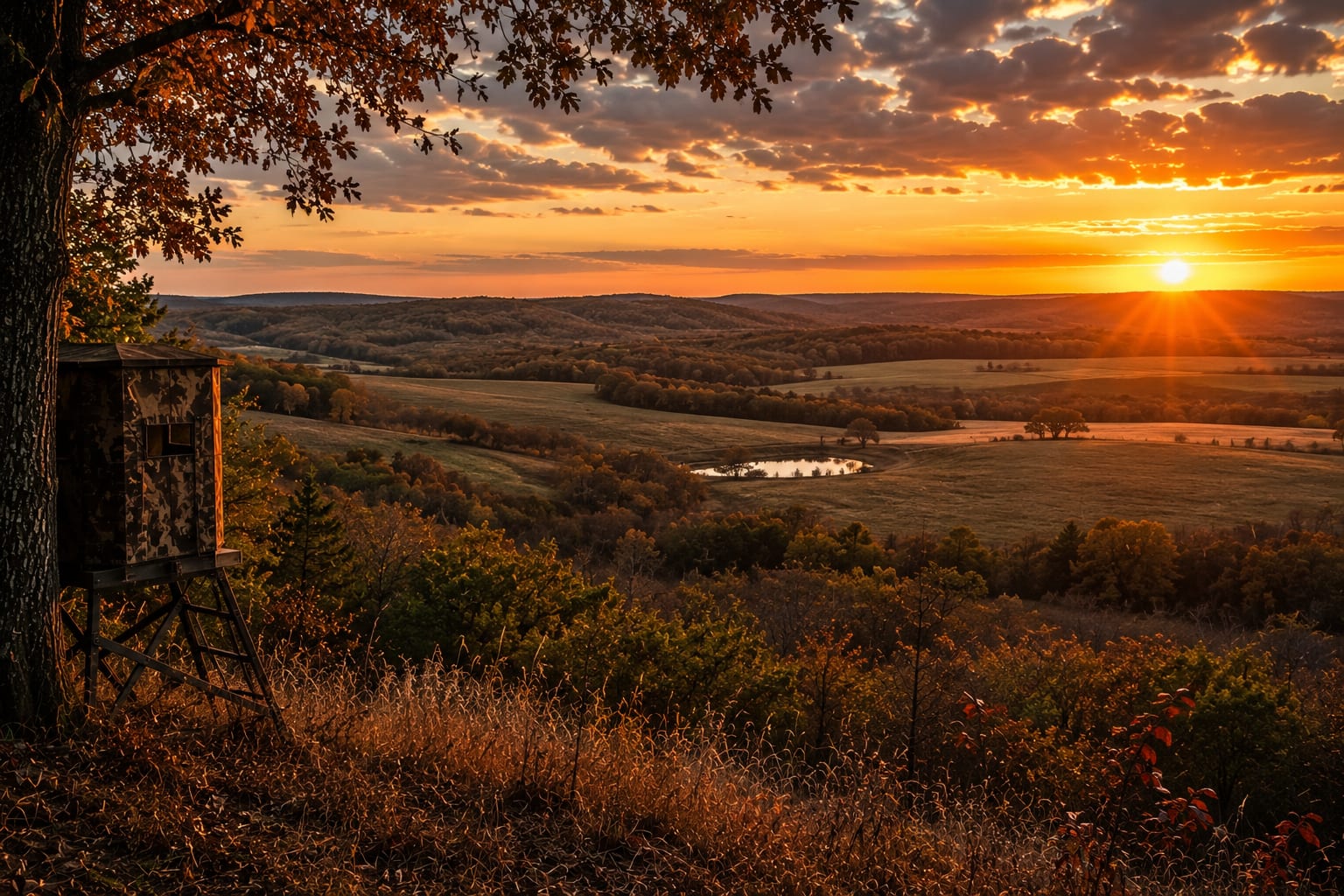
100+ Acre Tracts for Sale in Missouri
Scale, privacy and the kind of ground that can carry part of its own cost.
At a hundred acres and up, land stops being a lot and starts being a property. You get enough room to hunt without pressuring yourself, to run cattle at a scale that pencils, to hold timber as an asset, and to be genuinely out of sight of anyone.
Large tracts also behave differently in the market. Price per acre generally falls as size rises, the buyer pool narrows, and the diligence gets more involved — which is exactly where a careful buyer finds value.
Large Tracts — Current Market
Figures reflect active MLS listings matching this search at last refresh, and are asking prices rather than closed sales. Inventory updates hourly. Source: MARIS MLS.
Land & Farm in 100+ Acre Tracts for Sale in Missouri
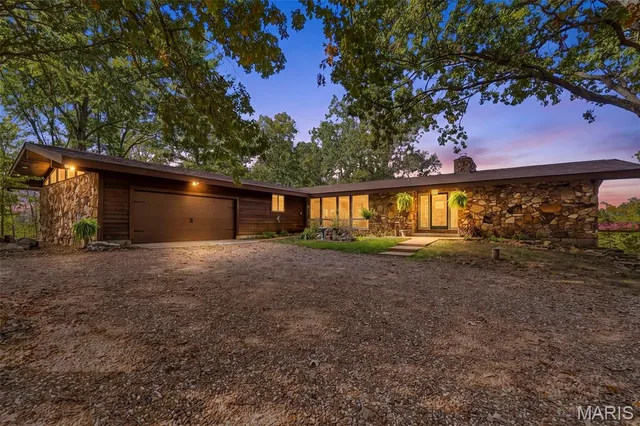
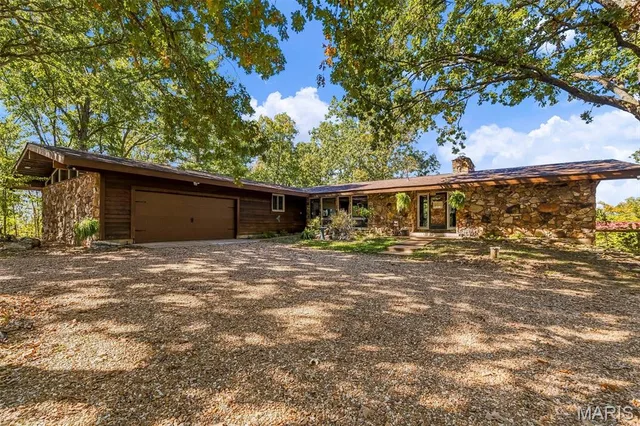
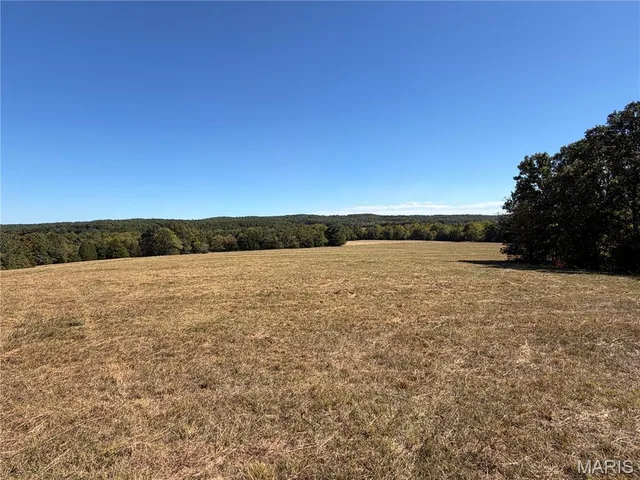
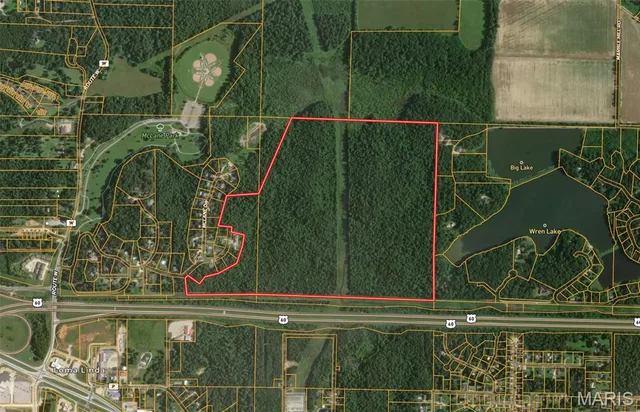
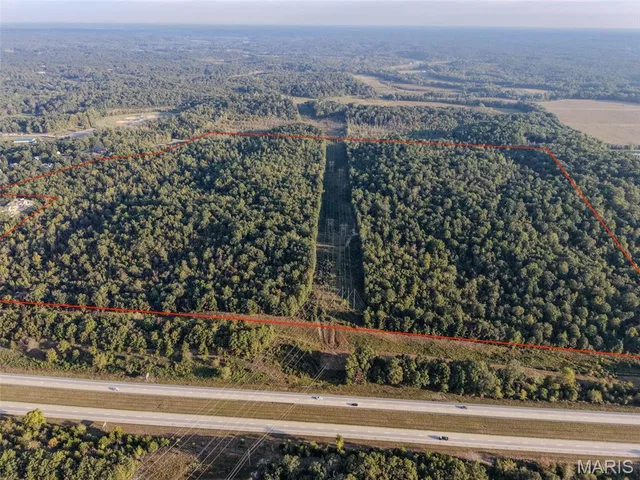
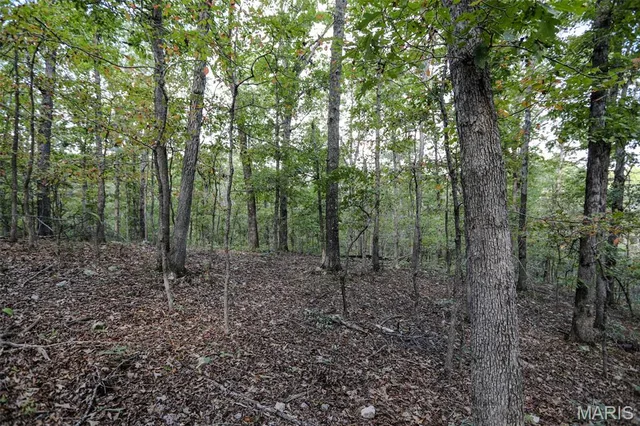
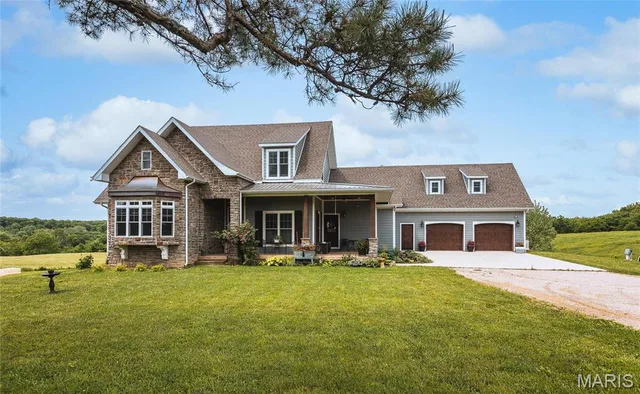
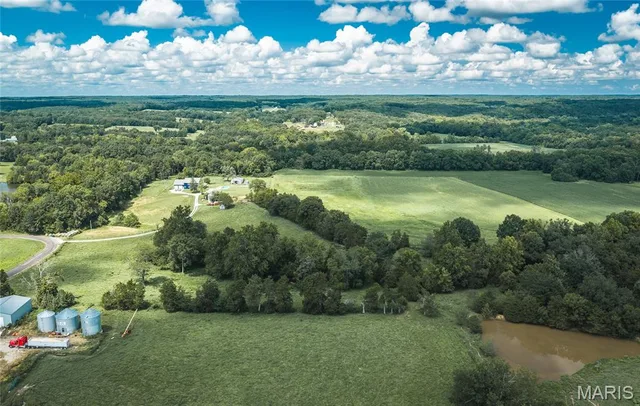
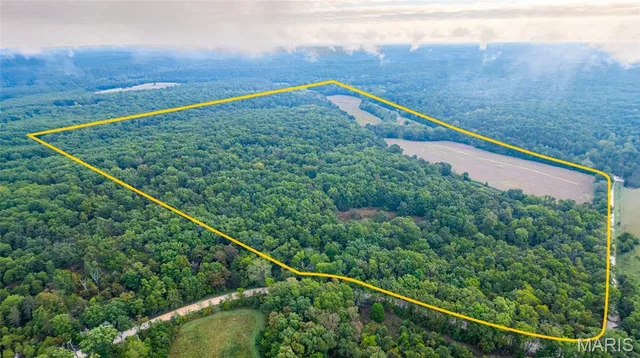
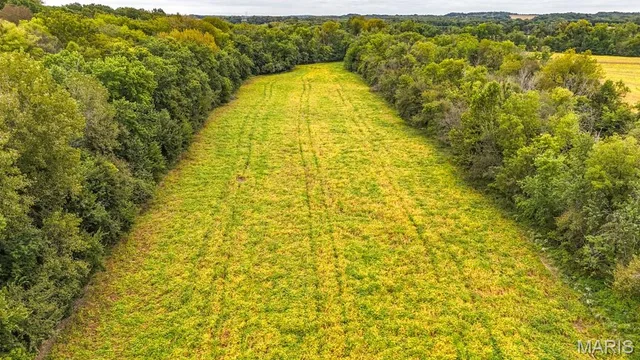
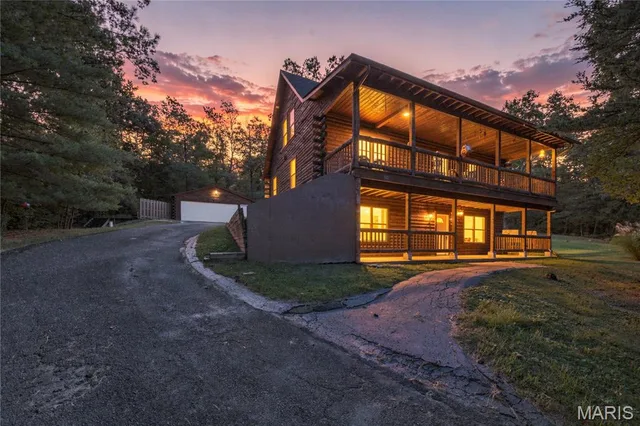
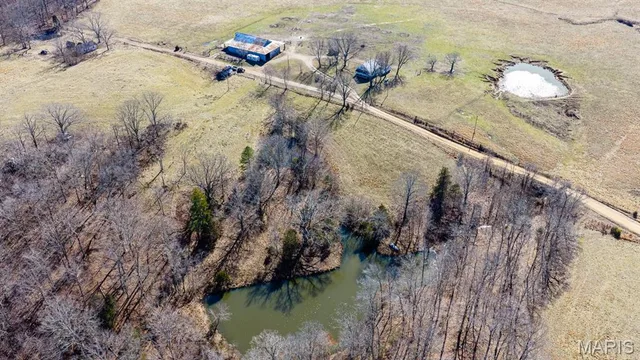
The economics of scale
The per-acre price of a 200-acre tract is usually well below that of a 20-acre tract in the same county, because fixed costs spread further and fewer buyers can write the check. If you can reach the larger tract financially, you are typically buying land more cheaply per acre than your neighbor did.
Scale also opens income that small tracts cannot support. Hay or crop lease income, a periodic selective timber harvest, a grazing lease, or enrollment of marginal acres in a conservation program can each offset part of the annual cost. None of it will make the payment by itself, but the difference between a property that produces nothing and one that produces something is real over a twenty-year hold.
Diligence gets more serious
On large acreage, get a current survey unless there is a recent one you can rely on. Old deed descriptions in rural Missouri can be vague, fence lines frequently are not boundary lines, and a discrepancy that would be trivial on five acres can be many acres here.
Ask specifically about mineral rights and whether they have been severed from the surface, about any recorded easements crossing the property, and about existing leases — hunting, grazing, crop or otherwise — that may survive closing. Also check whether any portion is enrolled in a conservation program with obligations that transfer to you.
Financing and the split question
Large tracts are usually financed through farm credit lenders rather than conventional mortgage lenders, with meaningful down payments and terms that reflect the land rather than a house. If the property produces income, bring documentation of it, because lenders will underwrite to it.
Finally, think about divisibility, even if you never intend to split. A tract with good road frontage that could be divided into smaller parcels has a broader future buyer pool and a natural floor under its value. Check county subdivision rules before assuming a split is possible.
Large Tracts — What Buyers Ask
Is large acreage cheaper per acre?
Usually, yes. Fixed transaction costs spread over more acres and the buyer pool is smaller, so the per-acre figure typically declines as tract size rises within the same area. The trade-off is a larger total check and a longer time to resell.
Can a large tract pay for itself?
Rarely in full, but often in part. Hay and crop leases, grazing leases, periodic timber harvests and conservation program payments can offset taxes, insurance and a share of the note. Treat any of it as a partial offset rather than a business plan.
What should I check before buying 100+ acres?
Survey and boundaries, legal access to every part you intend to use, mineral rights, recorded easements, existing leases, conservation program enrollment, and the property tax classification. On large tracts each of these can move real money, and all are far cheaper to resolve before closing.
Know first when large tracts hits the market
Good tracts move fast and the best ones rarely last a weekend. Tell us where to send them and we will email you as new listings match this search.
We send listings, not newsletters. Unsubscribe any time.
Want boots on the ground?
We walk these properties. Tell us what you are after and we will tell you honestly whether a tract is worth your Saturday — including the ones that are not listed with us.