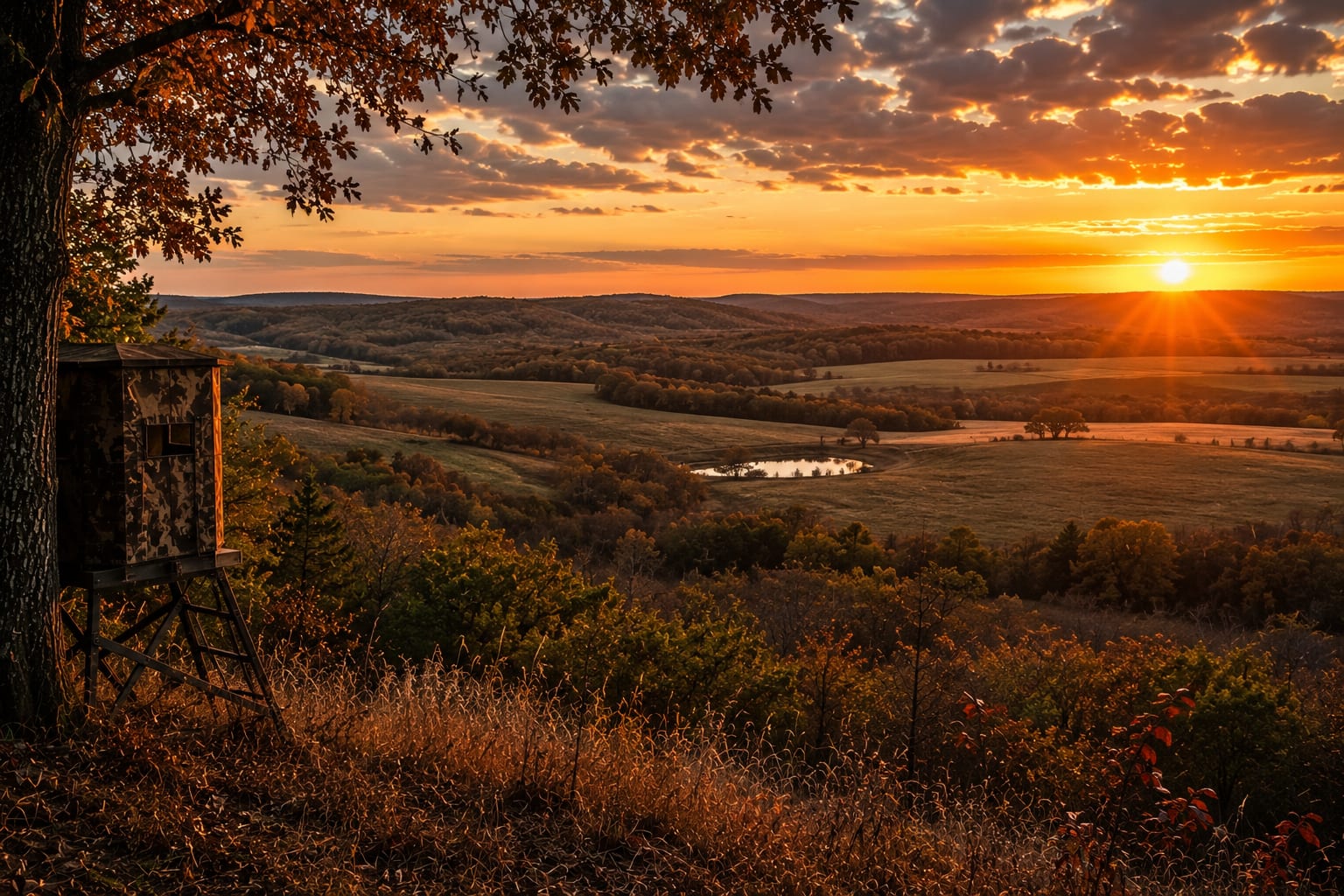
Cattle & Pasture Land for Sale in Missouri
Grass farms, hay ground and fenced pasture in one of the top cow-calf states in the country.
Missouri runs more beef cows than nearly any state outside Texas and Oklahoma, and for good reason: reliable rainfall, a long grazing season, and grass that grows without irrigation. For a cow-calf operation, the economics here are hard to beat.
Buying grass is a different exercise from buying timber or hunting ground. You are buying a production system — soil, forage, water, fence and handling facilities — and each of those has a real dollar value or a real dollar cost waiting for you.
Working Grass — Current Market
Figures reflect active MLS listings matching this search at last refresh, and are asking prices rather than closed sales. Inventory updates hourly. Source: MARIS MLS.
Land & Farm in Cattle & Pasture Land for Sale in Missouri
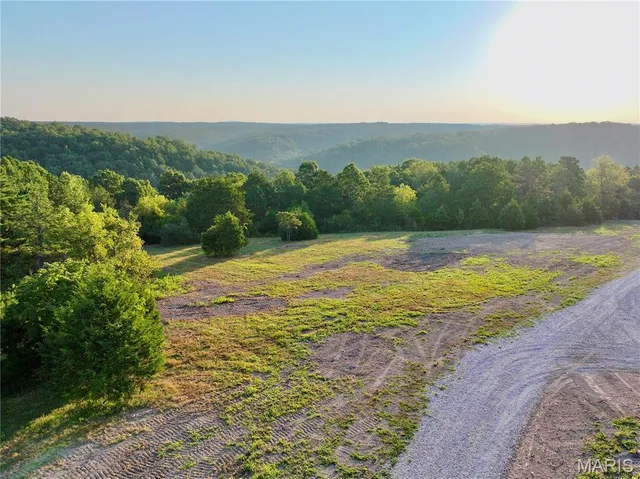
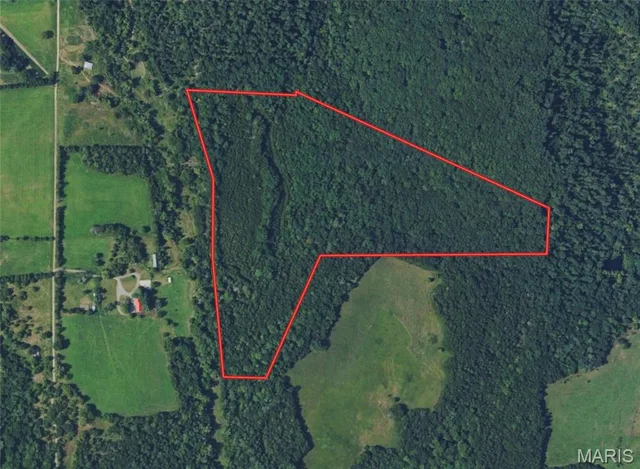
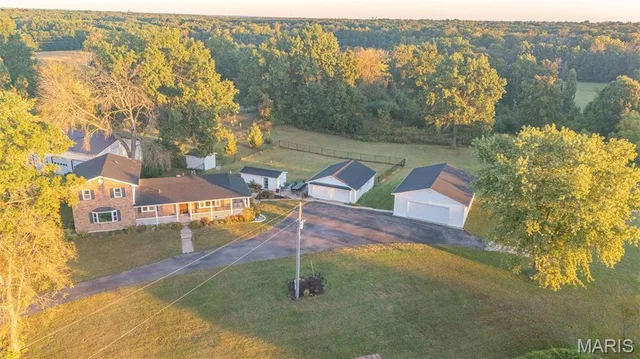
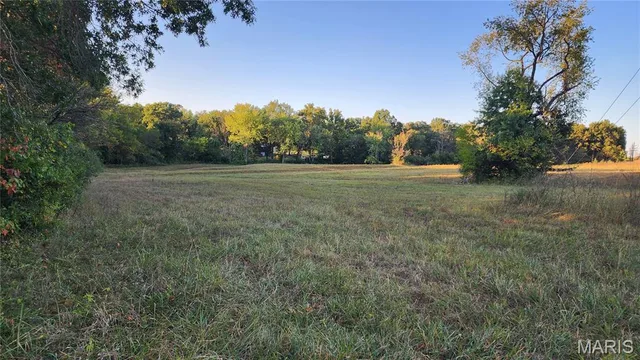
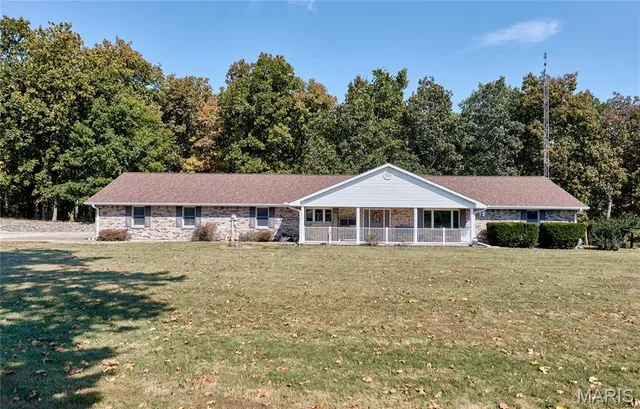
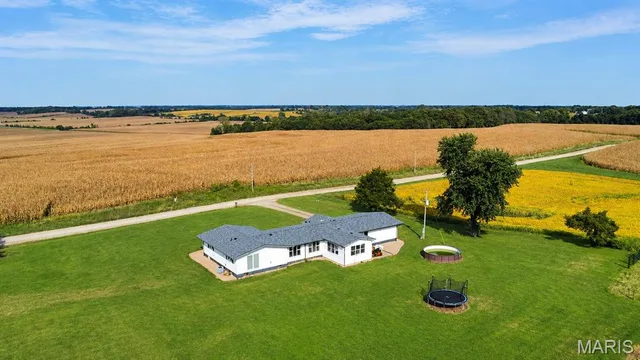
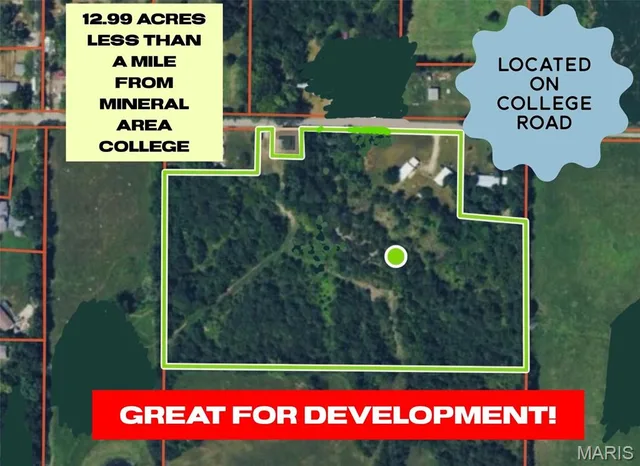
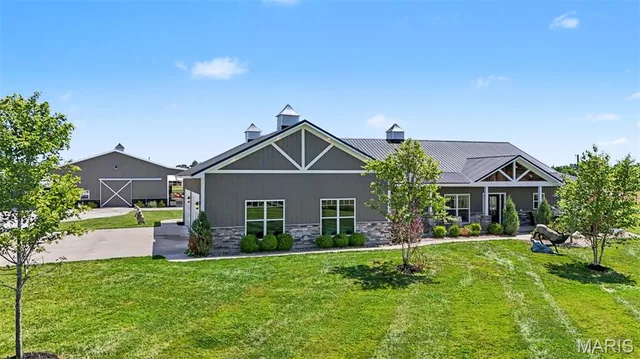
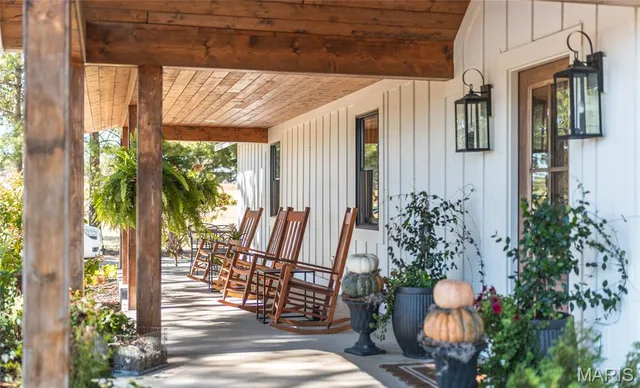
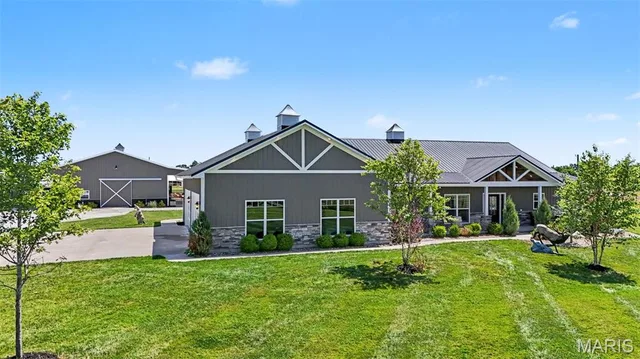
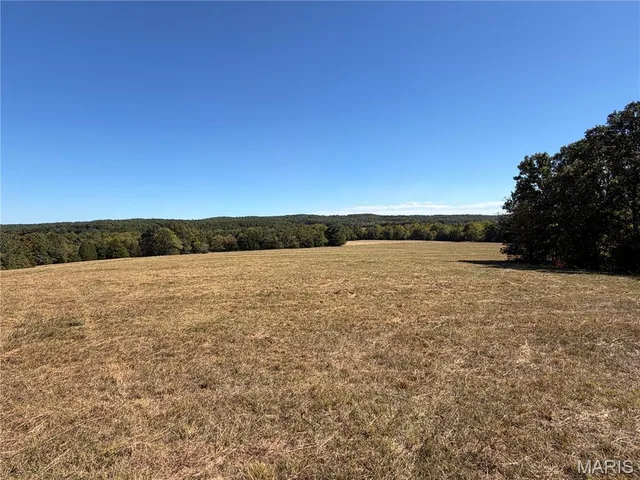
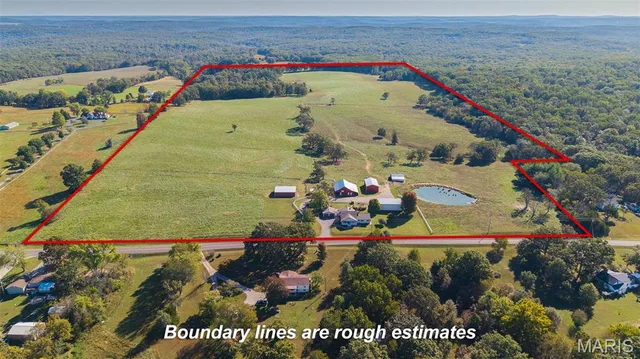
Forage, fescue and stocking rate
Most Missouri pasture is tall fescue, and most of that is Kentucky 31, which carries an endophyte that causes fescue toxicosis in cattle — reduced weight gain, heat stress, poor conception, and in bad cases lost tail switches and hoof problems. It is manageable through dilution with clovers and warm-season grass, rotational grazing, and avoiding heavy summer grazing of seedheads, but you should know what you are buying. Novel-endophyte renovated pasture is worth a premium.
As a rough planning figure, much of Missouri supports a cow-calf pair on roughly two to three acres of decent managed pasture, but that swings hard with soil, fertility history and how the grass has been treated. Ask when the ground was last soil tested and limed, whether it has been fertilized or simply grazed down for years, and how it has been rotated.
Water, fence and facilities
Livestock water is the constraint that limits how you can graze. Count the ponds, ask which ones held through the last dry summer, and look for freeze-proof waterers or a rural water tap. A farm with water in every paddock can be rotated properly; a farm with one pond at the bottom cannot, and fixing that is real money.
Walk the fence line, all of it. Boundary fence in good repair is worth thousands of dollars a mile that you will otherwise spend yourself, and Missouri fence law on shared boundaries can get complicated with a disagreeable neighbor. Then look for a working pen, a head gate and a loading chute. Handling facilities are expensive to build and easy to undervalue when you are standing in a pretty field.
Hay ground and the ratio that matters
A working operation needs winter feed. Look at how much of the farm is machine-hayable — reasonably flat, rock-free, and accessible with equipment — versus how much is only grazeable hillside. A farm that is all grazing and no hay ground means buying hay every winter, which is a permanent line item.
Also ask whether the tillable or hay acres are currently leased, and on what terms. An existing lease can be an asset that carries part of the payment, or an obstacle if you intend to graze those acres yourself next season.
Working Grass — What Buyers Ask
How many acres do you need for a cow-calf pair in Missouri?
Commonly two to three acres per pair on managed pasture, though it ranges from under two on excellent fertilized bottom ground to five or more on thin, rocky or neglected pasture. Fertility history and rotation matter more than the raw acreage number.
What is fescue toxicosis and should it stop me buying?
It is the effect of the endophyte fungus in Kentucky 31 fescue on cattle — poorer gains, heat stress and lower conception rates. It should not stop you buying, because most Missouri pasture has it. It should factor into your price and your plan, since interseeding clover, rotating grazing and eventually renovating to a novel-endophyte variety all cost time and money.
Does pasture land qualify for agricultural tax treatment?
Missouri assesses agricultural land on productive use rather than market value, which usually means a substantially lower tax bill than the same acreage assessed as residential. The county assessor determines the grade and the classification, so ask what the ground is currently classified as before you assume the current tax figure carries forward.
Know first when working grass hits the market
Good tracts move fast and the best ones rarely last a weekend. Tell us where to send them and we will email you as new listings match this search.
We send listings, not newsletters. Unsubscribe any time.
Want boots on the ground?
We walk these properties. Tell us what you are after and we will tell you honestly whether a tract is worth your Saturday — including the ones that are not listed with us.