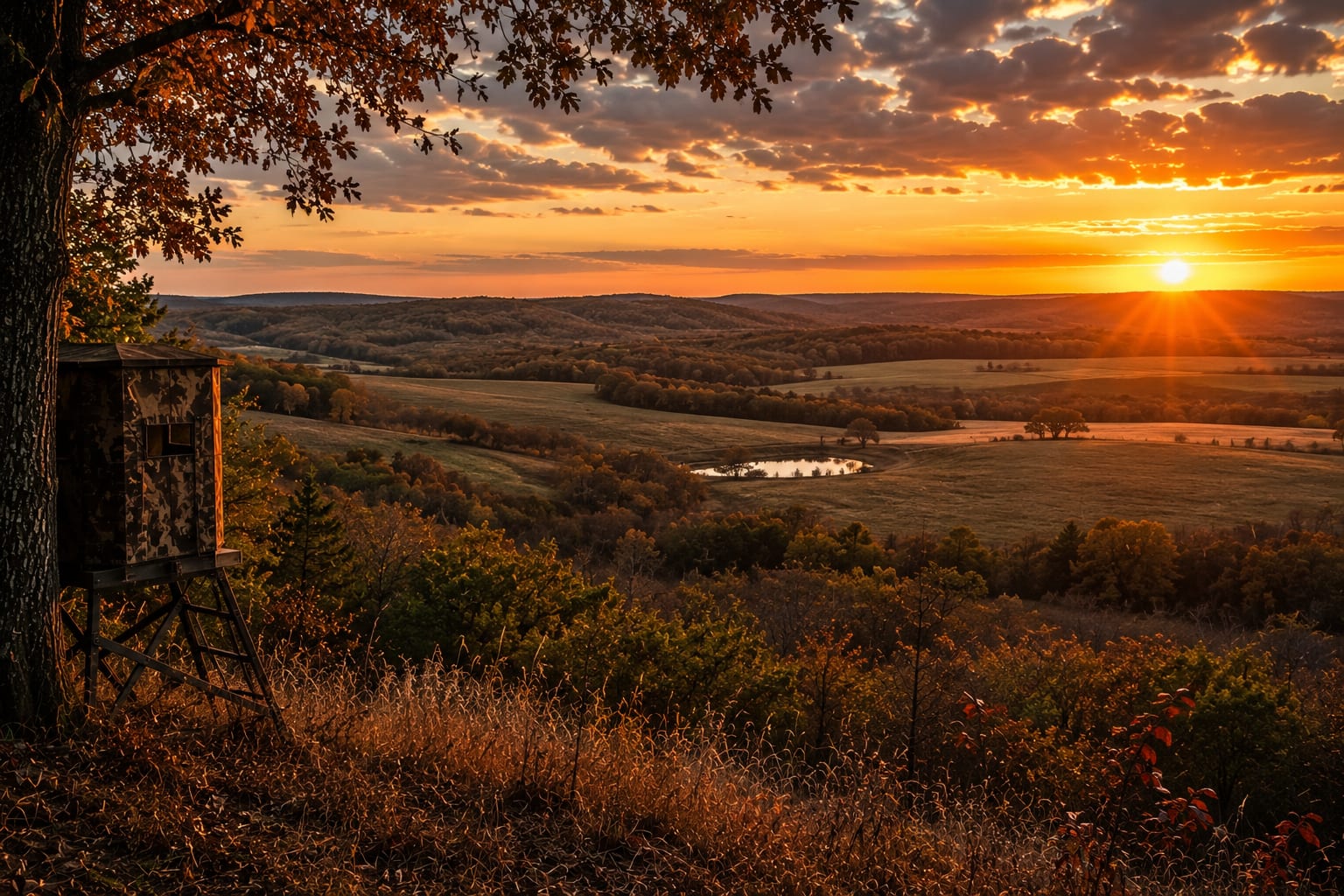
Hunting Land for Sale in Missouri
Whitetail and turkey ground across the Ozarks, the river hills and the northern farm country.
Missouri is consistently one of the best whitetail states in the country, and it is one of the few where a working-person budget still buys huntable ground. The state is a genuine crossroads: oak-hickory ridges through the Ozarks, big agricultural bottoms in the north and west, and river-hill country along the Missouri and Mississippi that grows the kind of deer that end up on a wall.
What follows is what we actually walk for when we look at a hunting tract, in the order it matters. The listings below are live MLS inventory flagged for hunting use, refreshed hourly.
Hunting Tracts — Current Market
Figures reflect active MLS listings matching this search at last refresh, and are asking prices rather than closed sales. Inventory updates hourly. Source: MARIS MLS.
Land & Farm in Hunting Land for Sale in Missouri
What makes a tract hunt well
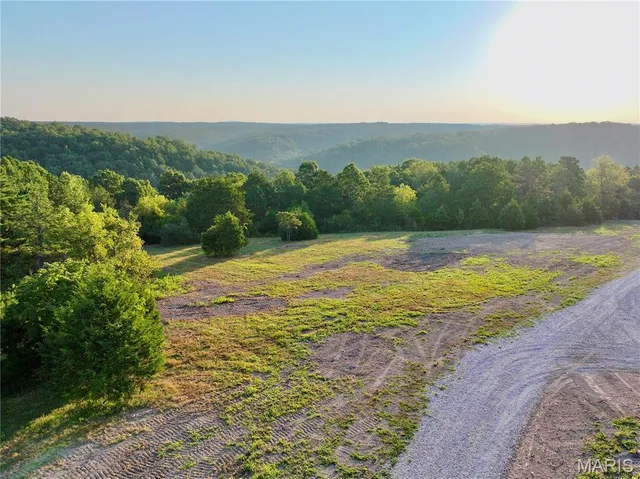
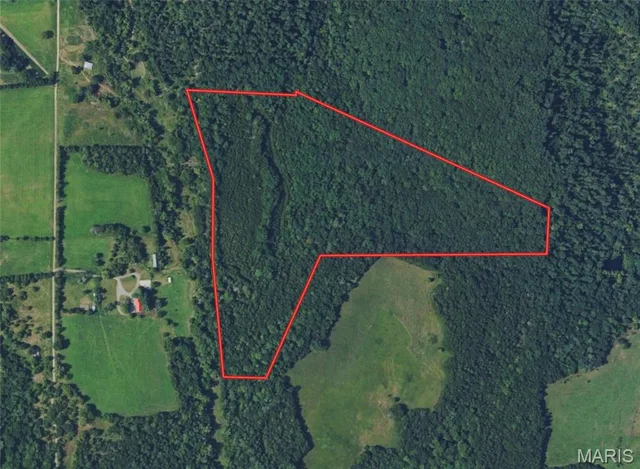
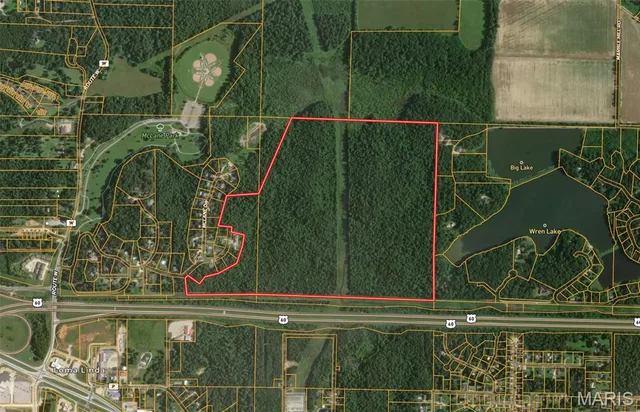
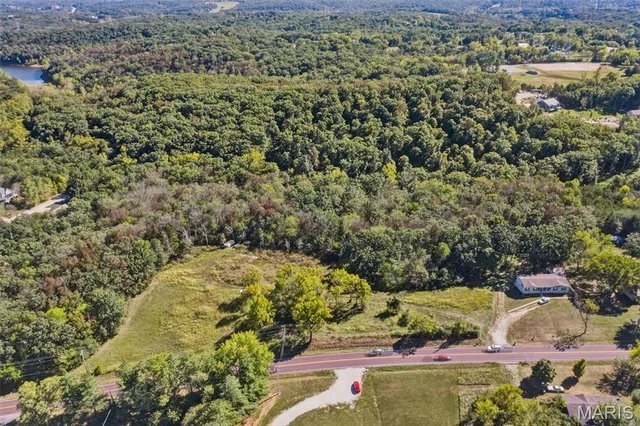
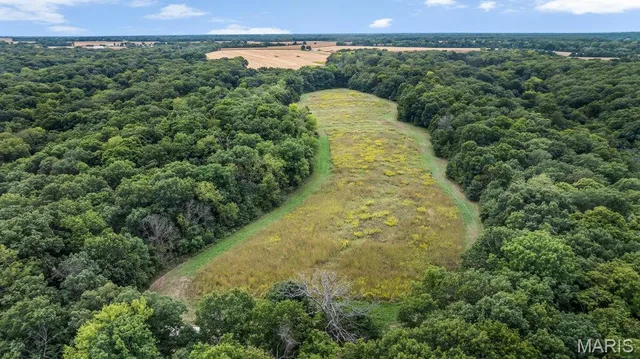
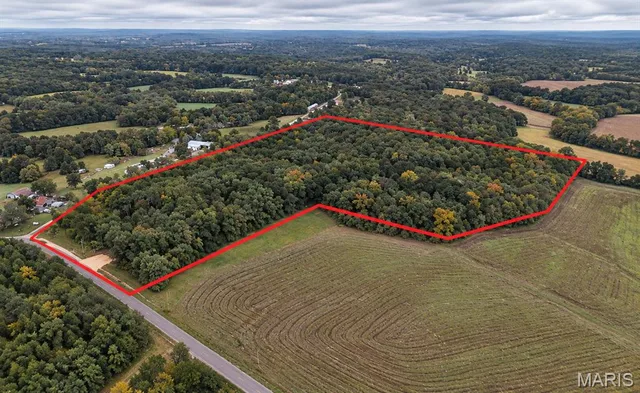
Terrain and cover beat raw acreage almost every time. A 40-acre tract with a bedding ridge, a timbered draw and a food source at the bottom will out-hunt 120 acres of flat, open, uniform woods. Look for edge — where timber meets field, where a ridge breaks to a hollow — because that is where deer travel and where a stand actually pays off.
Timber composition matters more than most buyers realize. White oaks are the single most valuable tree on a Missouri hunting property, because white oak acorns are the preferred fall food source and they pull deer hard in October and November. A ridge with a good white oak component will hunt differently year to year depending on the acorn crop, so ask about mast diversity rather than a single stand of one species.
Water is the third leg. A creek, a spring or even a reliable pond keeps deer on the property through a dry early season and gives you a travel corridor to hunt.
Access is the thing buyers get wrong
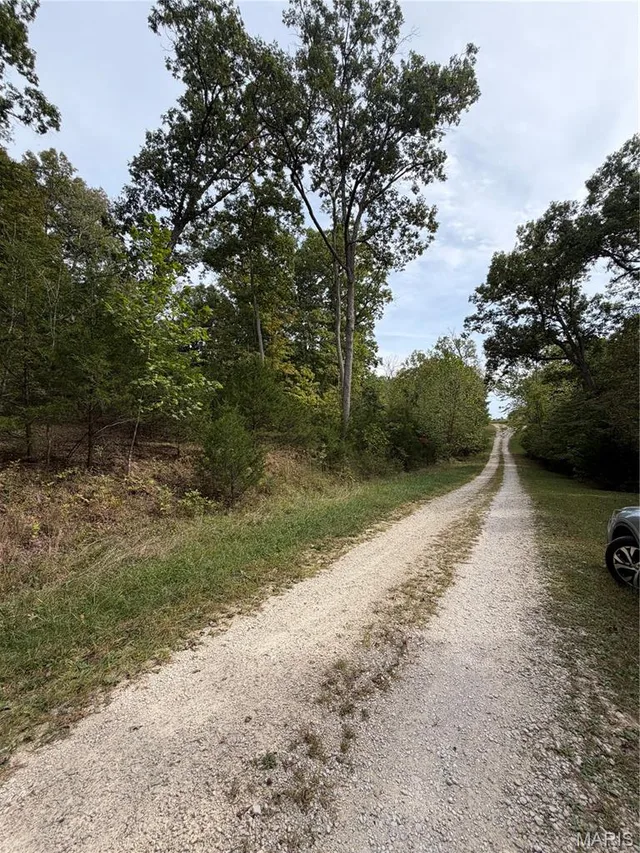
How you get in and out of a tract determines whether you can hunt it without ruining it. If the only way to your best stand is straight through the bedding area, you will educate every mature deer on the place by the second week of November. Walk the property and ask yourself where you would park, what the prevailing wind does to your entry route, and whether you can reach two or three stands without crossing the core.
Legal access is separate and non-negotiable. Confirm whether the property has deeded frontage on a county-maintained road or reaches the road by easement, and if it is an easement, get the recorded document and read it. Landlocked ground and vague handshake access are the most common reasons a cheap tract is cheap.
Regulations, CWD and neighbors
Missouri Department of Conservation sets the seasons and the county-level regulations, and they change. Several counties sit inside the CWD Management Zone, which brings mandatory sampling on opening weekend, restrictions on moving carcasses, and rules around feeding and mineral. None of that makes a property a bad buy, but you should know before you close, because it shapes how you can manage the herd.
Neighbors are the variable nobody lists. On smaller acreage especially, what happens across the fence sets the age structure of the deer you will see. Ask the listing agent what surrounds the tract — big timber, row crop, a hunting club, a subdivision — because that context is worth more than another ten acres.
Hunting Tracts — What Buyers Ask
How many acres do you need to hunt deer in Missouri?
Far less than most people assume, if the layout is right. Plenty of Missouri hunters kill mature deer on 20 to 40 acres by keeping a sanctuary they never enter and hunting the edges of it. Below about 10 acres you are largely hunting the neighbors deer, which can still work along a good travel corridor but gives you little control.
Can you finance hunting land?
Yes, but not with a normal mortgage. Recreational land is typically financed through a farm credit lender or a local bank holding the loan in-house, usually with 20 to 30 percent down and a shorter term than a house. Raw land with no improvements is the hardest case. Getting pre-qualified before you shop matters more on land than on houses, because good tracts move fast.
When is the best time to buy hunting land?
Late winter and early spring. Inventory listed after the season is often priced by a seller who has decided to move on, the timber is bare so you can actually read the terrain and see the trails and rubs from the season just past, and closing in spring leaves you time to put in food plots and hang stands before fall.
Know first when hunting tracts hits the market
Good tracts move fast and the best ones rarely last a weekend. Tell us where to send them and we will email you as new listings match this search.
We send listings, not newsletters. Unsubscribe any time.
Want boots on the ground?
We walk these properties. Tell us what you are after and we will tell you honestly whether a tract is worth your Saturday — including the ones that are not listed with us.