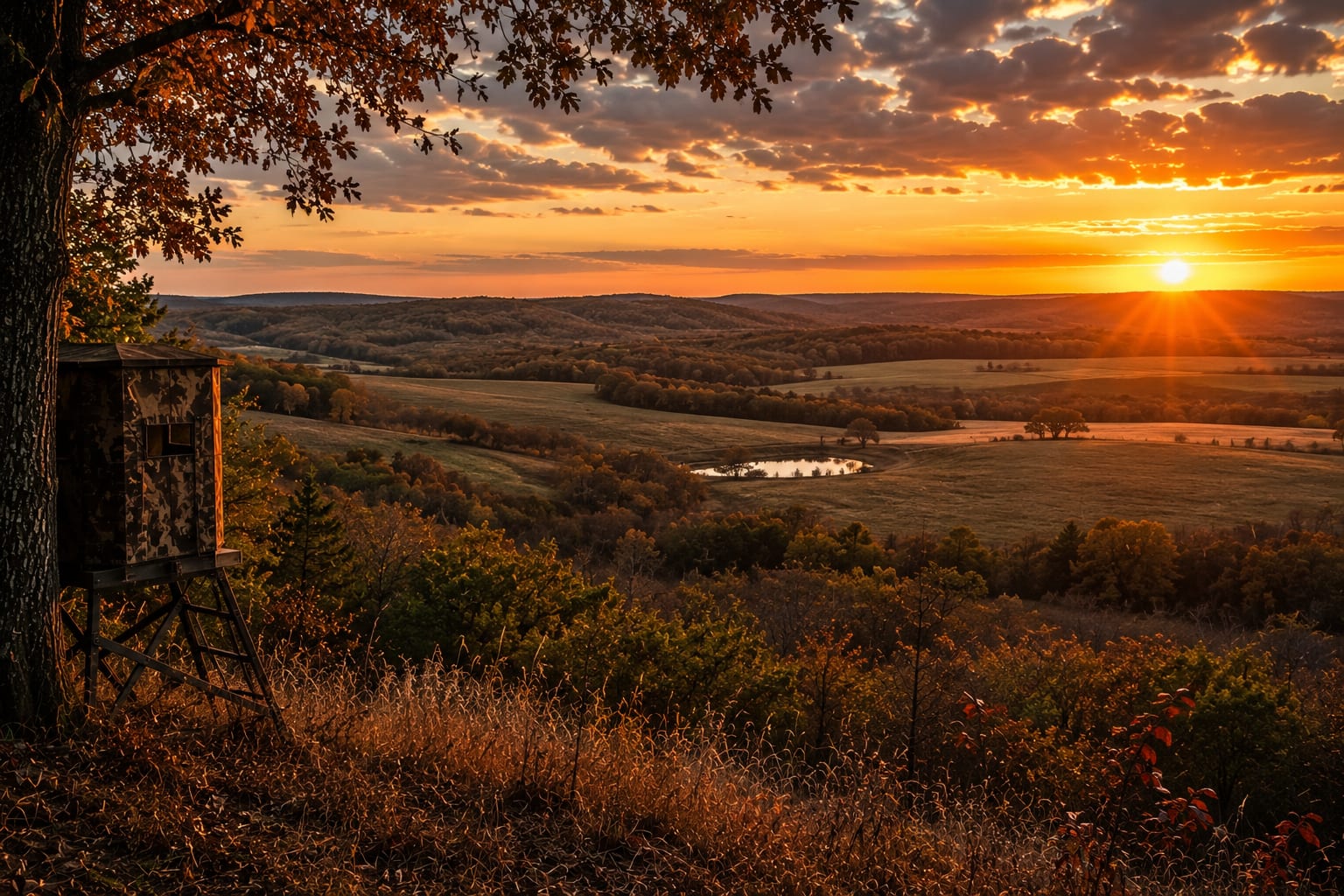
Horse Property for Sale in Missouri
Fenced pasture, a solid barn, and somewhere to ride out the gate.
Missouri is good horse country — mild enough for close to year-round turnout, with grass that grows without irrigation and some of the best trail riding in the Midwest within a short haul.
Buying for horses is more specific than buying pasture generally. Fencing, footing, water and the barn are the things you will live with daily, and they are expensive to fix after the fact.
Equestrian — Current Market
Figures reflect active MLS listings matching this search at last refresh, and are asking prices rather than closed sales. Inventory updates hourly. Source: MARIS MLS.
Land & Farm in Horse Property for Sale in Missouri
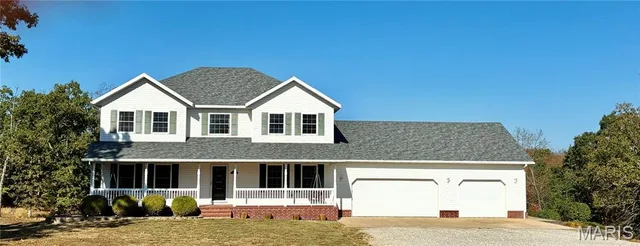
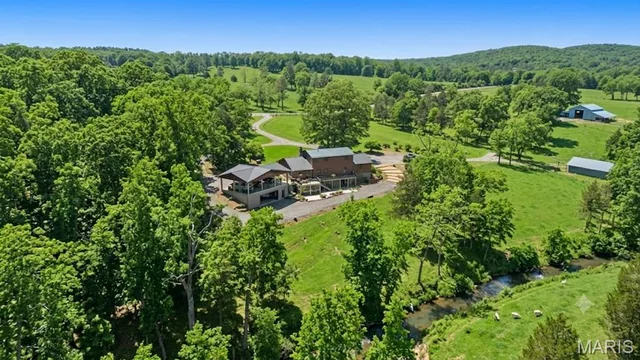
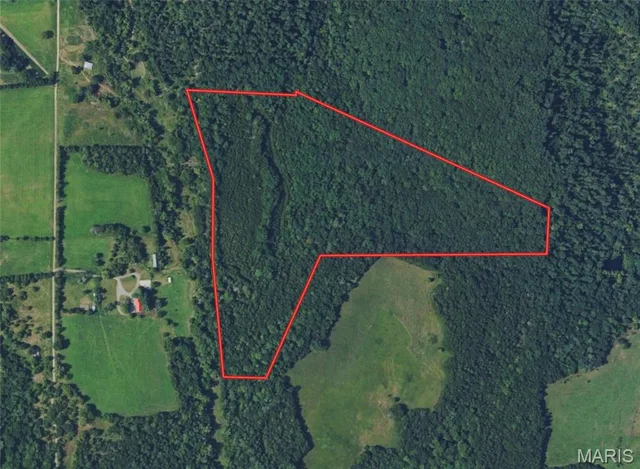
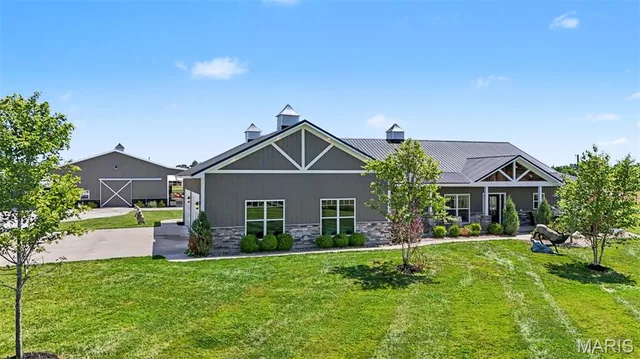
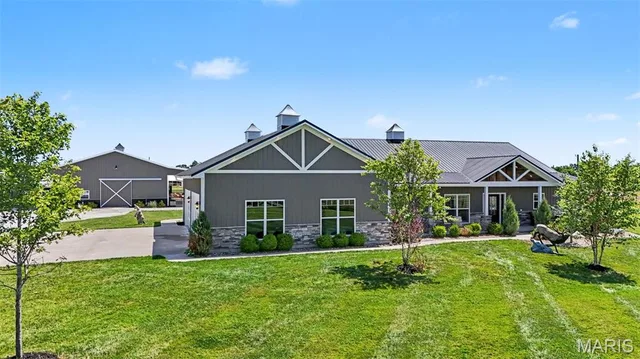
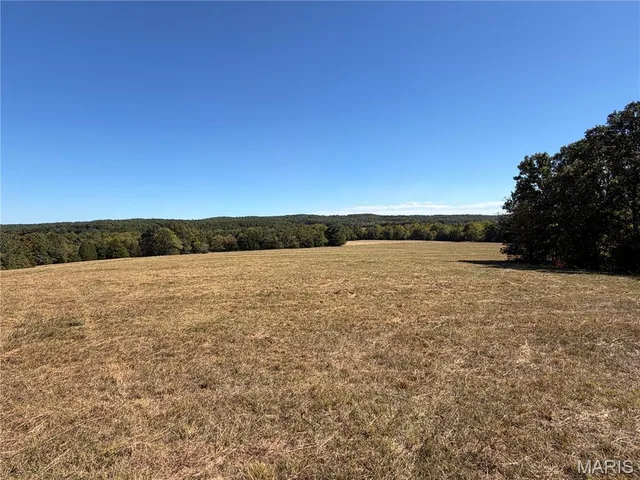
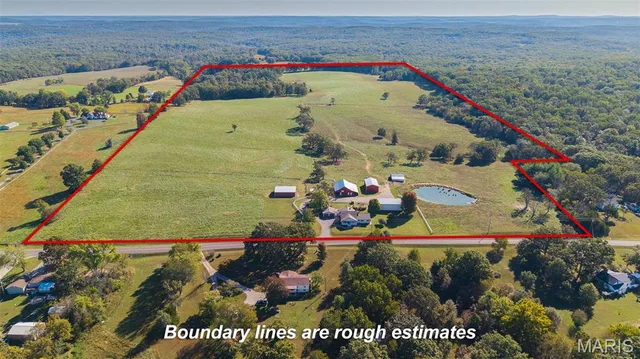
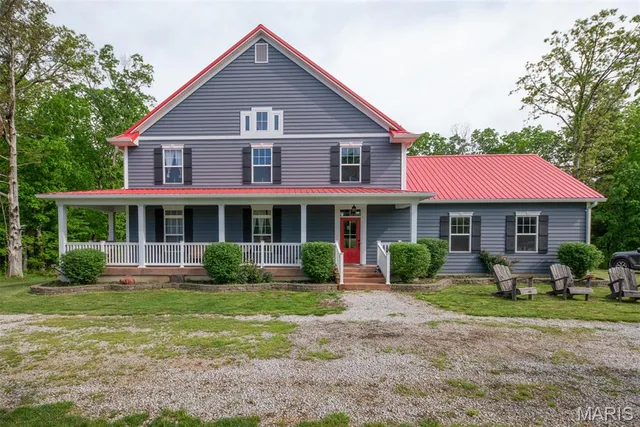
Fencing and footing
Barbed wire is the most common fence in rural Missouri and the worst choice for horses — it causes serious, recurring injuries. Look for board, vinyl, no-climb woven wire or properly installed electric tape. If the property is fenced in barbed wire, price replacement into your offer; it is a substantial per-foot cost across a whole farm.
Then look at drainage and footing, particularly at gates, around water and at the barn entrance. Missouri clay turns into deep mud through a wet spring, and the areas horses congregate are where that becomes a daily problem. Well-drained ground and gravel pads in high-traffic areas are worth real money.
Barn, water and turnout
Assess the barn honestly: stall size and safety, ceiling height, ventilation, whether there is frost-free water at or near the barn, electrical condition, and dry hay and tack storage. Retrofitting water and power to an existing barn is far more expensive than it sounds.
For turnout, more paddocks beat one big field, because rotation is what keeps grass ahead of horses and lets you manage a laminitis-prone animal or separate a new arrival. Confirm there is water available in each area you intend to use, and note that the fescue that dominates Missouri pasture carries an endophyte that is a genuine risk to pregnant broodmares in late gestation.
Riding access and hauling
The best equestrian properties let you ride out the gate. Ask about interior trails, adjoining conservation land, or nearby trail systems — Missouri has excellent public riding, and proximity to it is a durable value.
Practically, check that a truck and trailer can get in, turn around and get out without a three-point turn on a blind hill. A driveway that works for a car and not for a rig is a daily irritation and a real deterrent at resale.
Equestrian — What Buyers Ask
How many acres do you need per horse in Missouri?
A common planning figure is two to three acres per horse for pasture that carries most of their forage, though horses can be kept on less with supplemental hay and rotation. Overgrazed small paddocks turn to mud and weeds quickly, so the honest number depends on how much rotation the layout allows.
Is fescue pasture safe for horses?
It is fine for most horses but a real risk for pregnant mares in late gestation, where the endophyte in Kentucky 31 fescue can cause prolonged gestation, foaling difficulty and agalactia. Broodmares are typically moved off fescue in the last trimester or the pasture is renovated to a novel-endophyte variety.
What should I look for in a horse barn?
Safe stall dimensions and hardware, good ventilation, adequate ceiling height, frost-free water, sound wiring, dry hay and tack storage, and footing that drains at the entrance. Adding water and electric to a barn later is one of the more expensive retrofits on an equestrian property.
Know first when equestrian hits the market
Good tracts move fast and the best ones rarely last a weekend. Tell us where to send them and we will email you as new listings match this search.
We send listings, not newsletters. Unsubscribe any time.
Want boots on the ground?
We walk these properties. Tell us what you are after and we will tell you honestly whether a tract is worth your Saturday — including the ones that are not listed with us.